Jeff’s TOP 30 FILMS
Note: I recognize my failure to resist the urge to title-drop dozens of other favorite films throughout this list in exuberant defiance of my self-imposed limit.
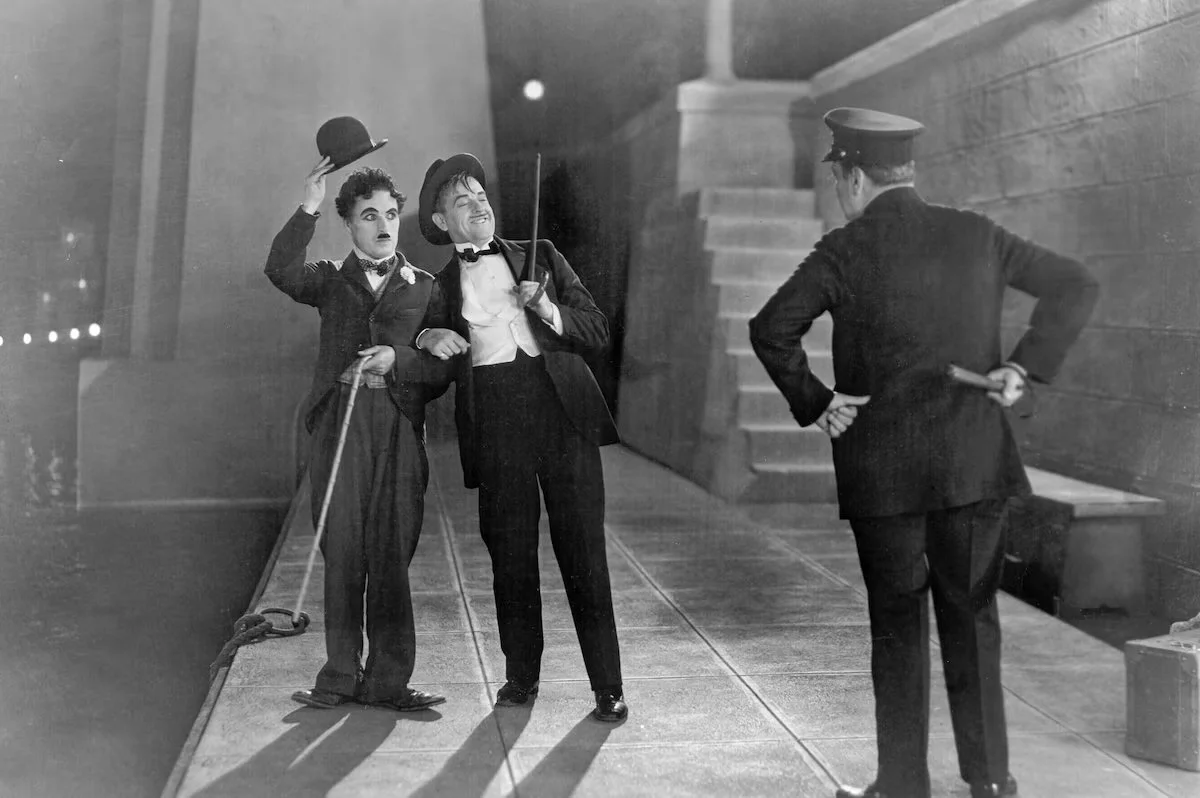
1. City Lights (1931) by Charlie Chaplin
City Lights (1931) is simply perfect, a film that took three years to meet Chaplin’s exacting standards to showcase the virtue of his pre-talky cinematic art form as cinemas across the country converted to sync-sound projection. But how can I pick just one Chaplin film among such greats as Monsieur Verdoux (1947), The Great Dictator (1940), Modern Times (1936), and The Gold Rush (originally 1925, but I rather prefer the 1942 re-release with Chaplin’s added narration and original musical score)?
2. Grand Illusion (1937) by Jean Renoir
With this film, Renoir shows how bound we are by the illusions of national identity and class solidarity, even when shared suffering trumps such ideological and cultural sentiment in interpersonal relations. And yet, as with the best of Renoir’s films—Boudu Saved From Drowning (1932), The Rules of the Game (1939), A Day in the Country (1946), and French Cancan (1955)—any ambition or sense of personal relevance is inevitably subsumed by a much larger continuity of history, ritual, artistic tradition, natural order, or simply the seasonal cycles of life and death.
3. The Lady Eve (1941) by Preston Sturges

A stunning number of comedy masterpieces came out of Hollywood in the early 1940s: Chaplin’s The Great Dictator (1940); Cukor’s The Philadelphia Story (1940); Hawk’s His Girl Friday and Ball of Fire (1940 and 1941, respectively); the obscure and underappreciated WC Fields’s gem, Never Give a Sucker an Even Break (1941); Lubitsch’s To Be or Not To Be (1942); Stevens’ The More the Merrier (1943); Wellman’s Roxie Hart (1942), which Kubrick listed along with WC Fields’ other masterpiece The Bank Dick (1940) among ten films that impressed him greatly in his early career; plus a half dozen Sturges films in short succession—Sullivan’s Travels (1941), The Palm Beach Story (1942), The Miracle of Morgan’s Creek and Hail the Conquering Hero (both 1944). But The Lady Eve tops them all for my taste with its beautiful construction, flawless performances, glowing chemistry, sharp dialogue, and hilarious pratfalls. It’s the film I’ve seen more than any other.
4. Seven Men From Now (1956) by Bud Boetticher

I’ve reluctantly passed on other favorite Westerns, namely Stagecoach (1939), Rio Bravo (1959), Once Upon a Time in the West (1968), and especially Ulzana’s Raid (1972), to go with a lesser-known film, the first of a handful of tightly written, low-budget indie collaborations between director Boetticher, screenwriter Burt Kennedy, and star Randolph Scott. In Scott’s portrayals, we get a clear alternative to the American man-of-the-West archetype, distinguished by stoic poise rather than the more popular John Wayne gung-ho swagger. The film ends with my favorite showdown in cinema as Scott faces off against Lee Marvin in a scene pared down to its essence, played almost zen-like in its formal construction.
5. Street of Shame (1956) by Kenji Mizoguchi

My favorite Mizoguchi film is his last, a masterclass of ensemble storytelling that guides the eye through complex compositions involving chiaroscuro, deep focus, simultaneous foreground-background action, and precise blocking.
6. Nights of Cabiria (1957) by Federico Fellini
My all-time favorite performance: Giulietta Masina as Cabiria.

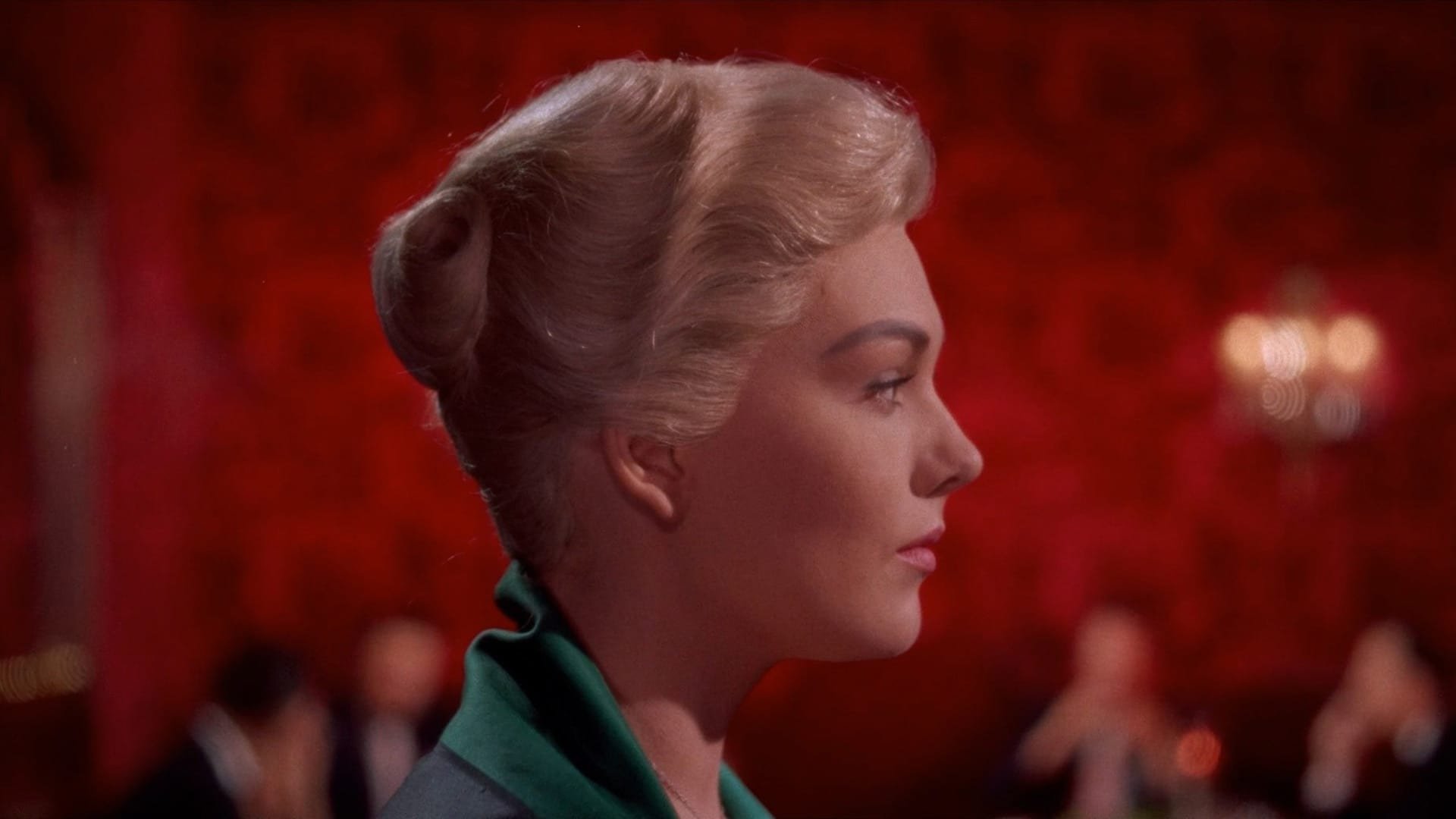
7. Vertigo (1958) by Alfred Hitchcock
Vertigo is a multi-layered modern adaptation of the Orpheus myth that would seem preposterous without the focus on James Stewart’s subjective infatuation with a dream girl and his desperate attempt to resurrect her. Its tone, split plotting, and theme of doubling no doubt influenced David Lynch for two of his best dream narratives, Lost Highway (1997) and Mulholland Drive (2001).
8. Floating Weeds (1959) by Yasujiro Ozu
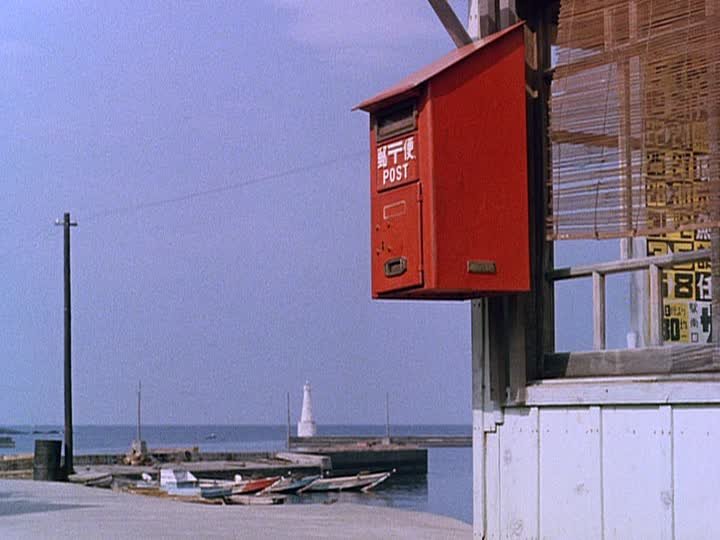
The film lingers like an aftertaste long after the lights come up. Few films achieve that residual effect, and Ozu has a dozen or more.
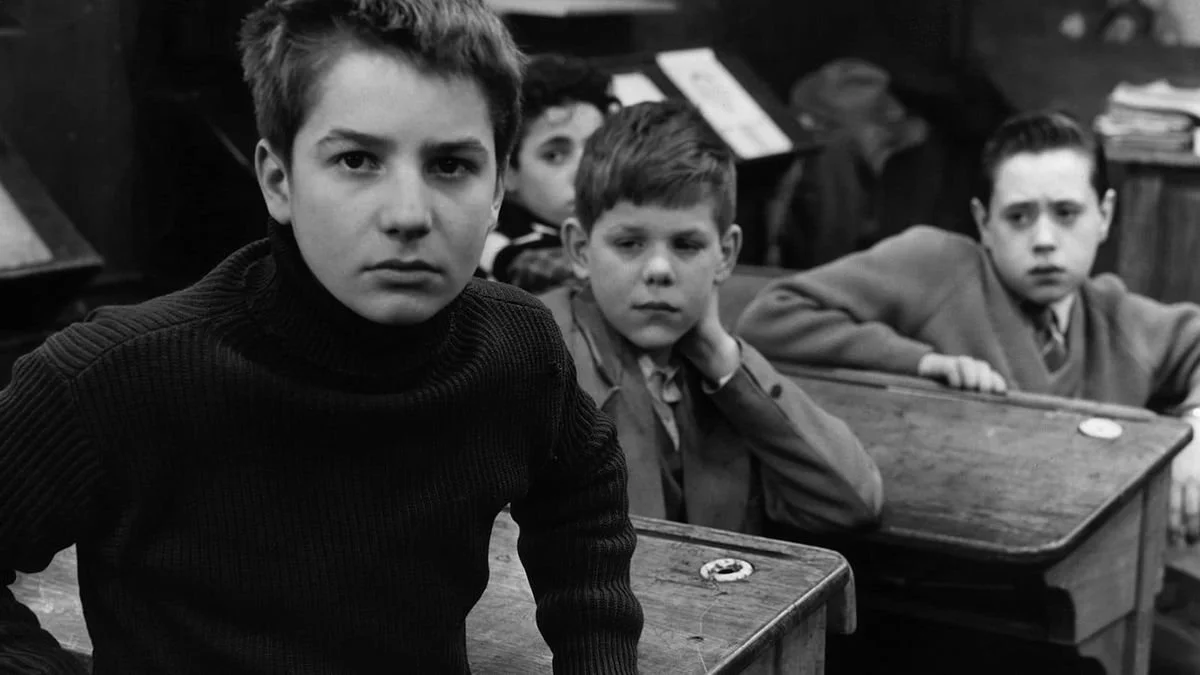
9. The 400 Blows (1959) by François Truffaut
The greatest depiction of adolescence is a stiff-lipped rebellion against neglect at home, injustice at school, and the overall strictures on his youthful impulses.
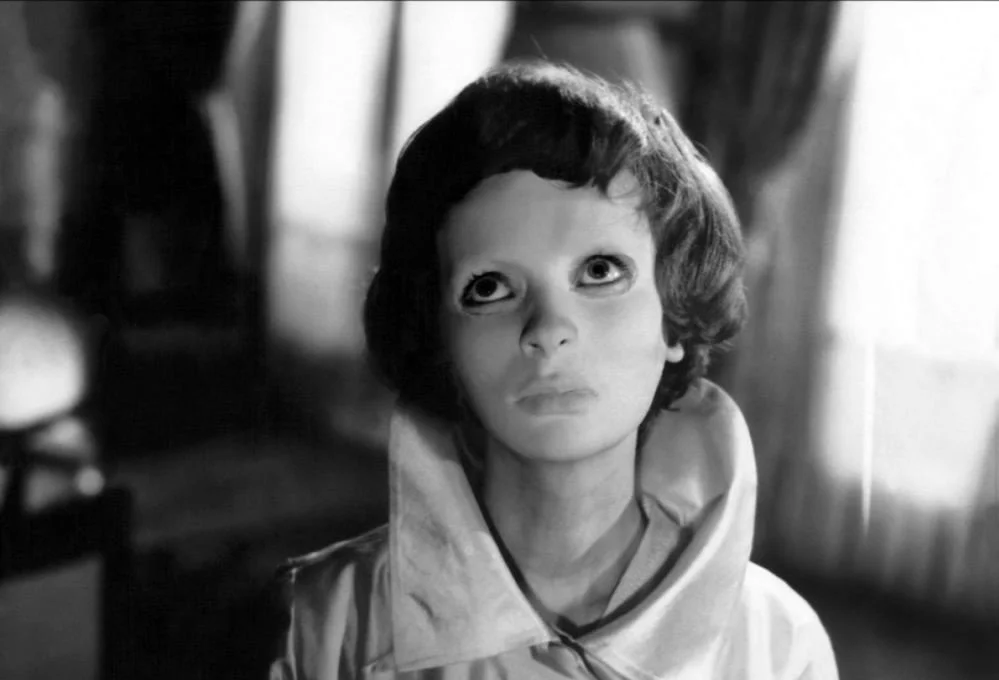
10. Eyes Without a Face (1960) by Georges Franju
Whereas Charles Laughton leaned heavily into nighttime expressionism as a counterpoint to the more grounded daytime sequences in The Night of the Hunter (1955), Franju balanced fairytale imagery with the clinical reality of contemporary circumstances. This is my favorite horror film, sitting just a hair above John Carpenter’s The Thing (1982) and Tod Browning’s pre-talkie The Unknown (1927, starring Lon Chaney and a young Joan Crawford).
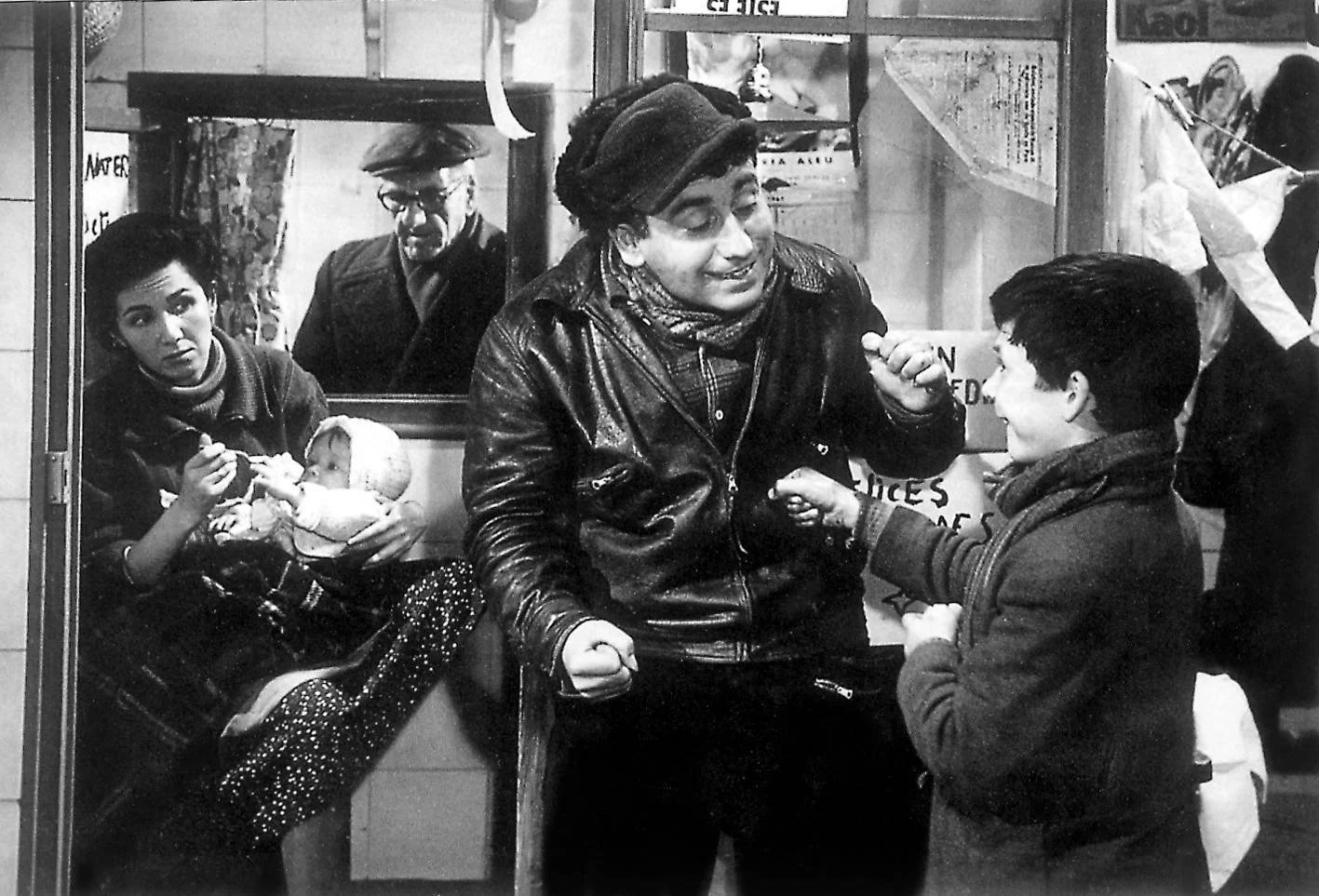
11. Plácido (1961) by Luis García Berlanga
With overlapping dialogue and complex choreography in crowded spaces, this satirical comedy skewers the false charity of a provincial town’s well-to-do, who remain willfully ignorant of the genuine need around them. A masterpiece of European comedy, alongside other favorites, Mario Monicelli's Big Deal on Madonna Street (1958), Jacques Tati’s Playtime (1967), and Pedro Almódovar’s Women on the Verge of a Nervous Breakdown (1988).
12. La Jetée (1962) by Chris Marker

Rarely do films defy the normal modes of expression to such singular effect. La Jetée takes an incredibly spare approach, conveying a tightly written meditation on time, memory, and loss as a science-fiction slideshow parable.
13. Winter Light (1963) by Ingmar Bergman

I’m in utter awe of how Bergman handled deep existential and spiritual dilemmas in such tightly contained dramas, often under 90 minutes long. This is my favorite of his chamber films: a cinematic pinnacle of complex thematic layering and precise choreography of performance and composition.
14. Charulata (1964) by Satyajit Ray

Satyajit Ray’s films remain particularly dear to me, particularly The Apu Trilogy (1955, ‘56, and ‘59), and The Music Room (1958), but it was Charulata that won my heart forever in the scene in which Soumitra Chatterjee sings, “Ami Chini Go Chini Tomare,” to Madhabi Mukherjee.
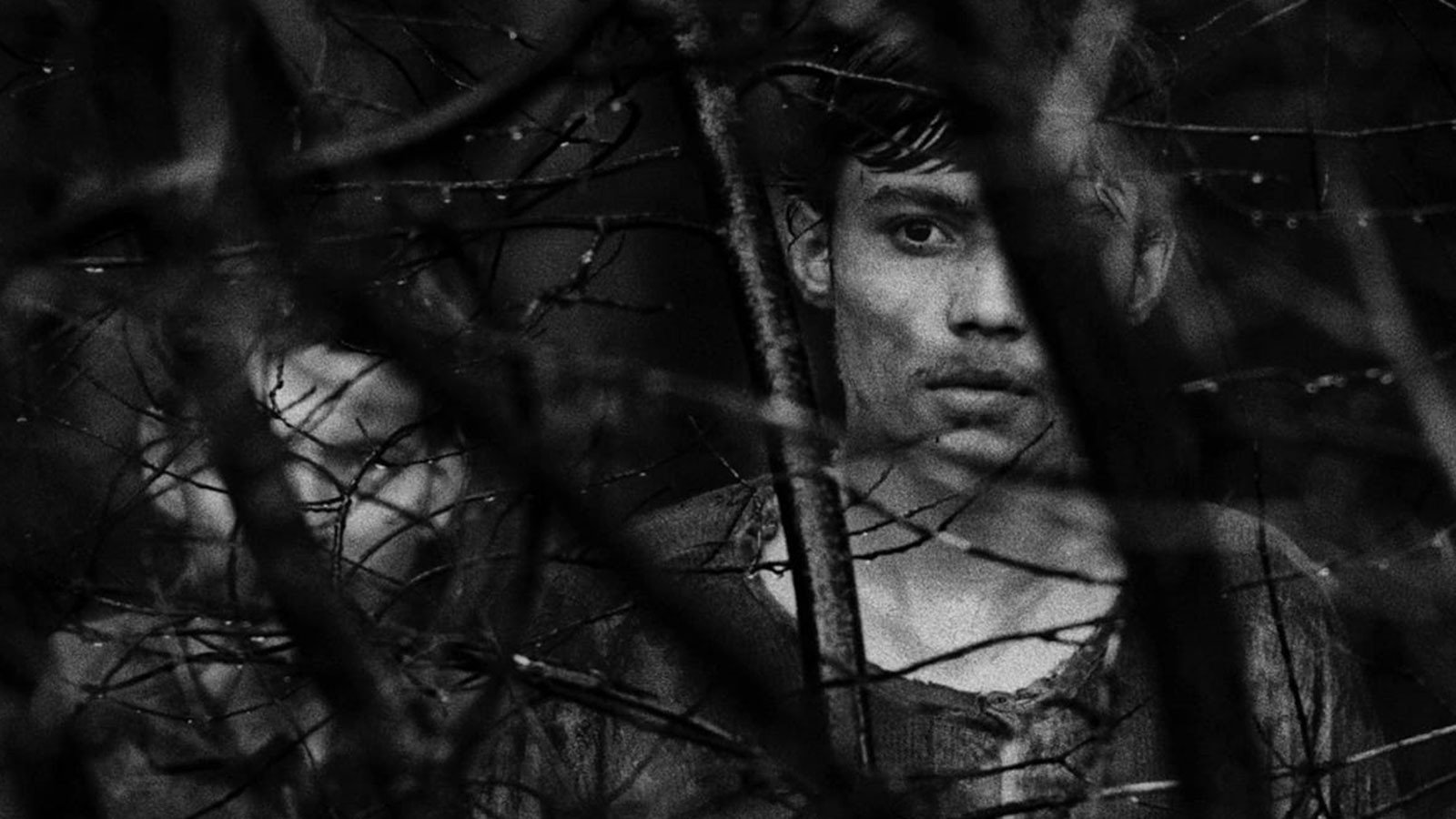
15. Diamonds of the Night (1964) by Jan Nemec
Unavailable in the U.S. for decades except in bootleg form, Diamonds of the Night is a little-known 65-minute Czech New Wave feature that desperately needed rediscovery and preservation. The Czech National Film Archive answered my prayers in 2018, beautifully restoring the film and making it available to stream on the Criterion Channel. Its premise is about two Jewish boys who wander through a dark wood, cold and hungry, after escaping from a train that was taking them to a concentration camp. As one of the nameless boys follows the other toward an uncertain fate, his memories, daydreams, and hunger-induced hallucinations gradually blend with his journey, progressing quietly toward its haunting, transcendental end.
16. Le Bonheur (1965) by Agnès Varda
My favorite Agnès Varda film, this satire of a man’s unaffected happiness subverts the idylls of impressionism to staggering, critical ends. Remarkably sly, Varda’s technique presents a man’s infatuation as a gauzy filter upon the world, in which the object of his attention is like a blooming flower in a lush garden. Perfect and sensual at first sight, she becomes a mere accent in the decor of his domestic sphere once he’s plucked her and placed her there. It’s a conspicuously soft look on a disturbing subject, which makes it all the more effective and engaging as a work of art. The flirtation scene between Francois and Émilie at the bistro remains one of my favorite sequences of cinematic choreography.

17. Duvidha (1973) by Mani Kaul
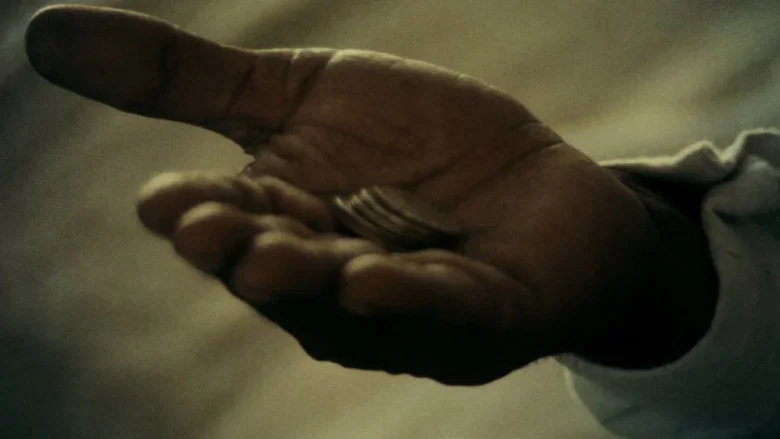
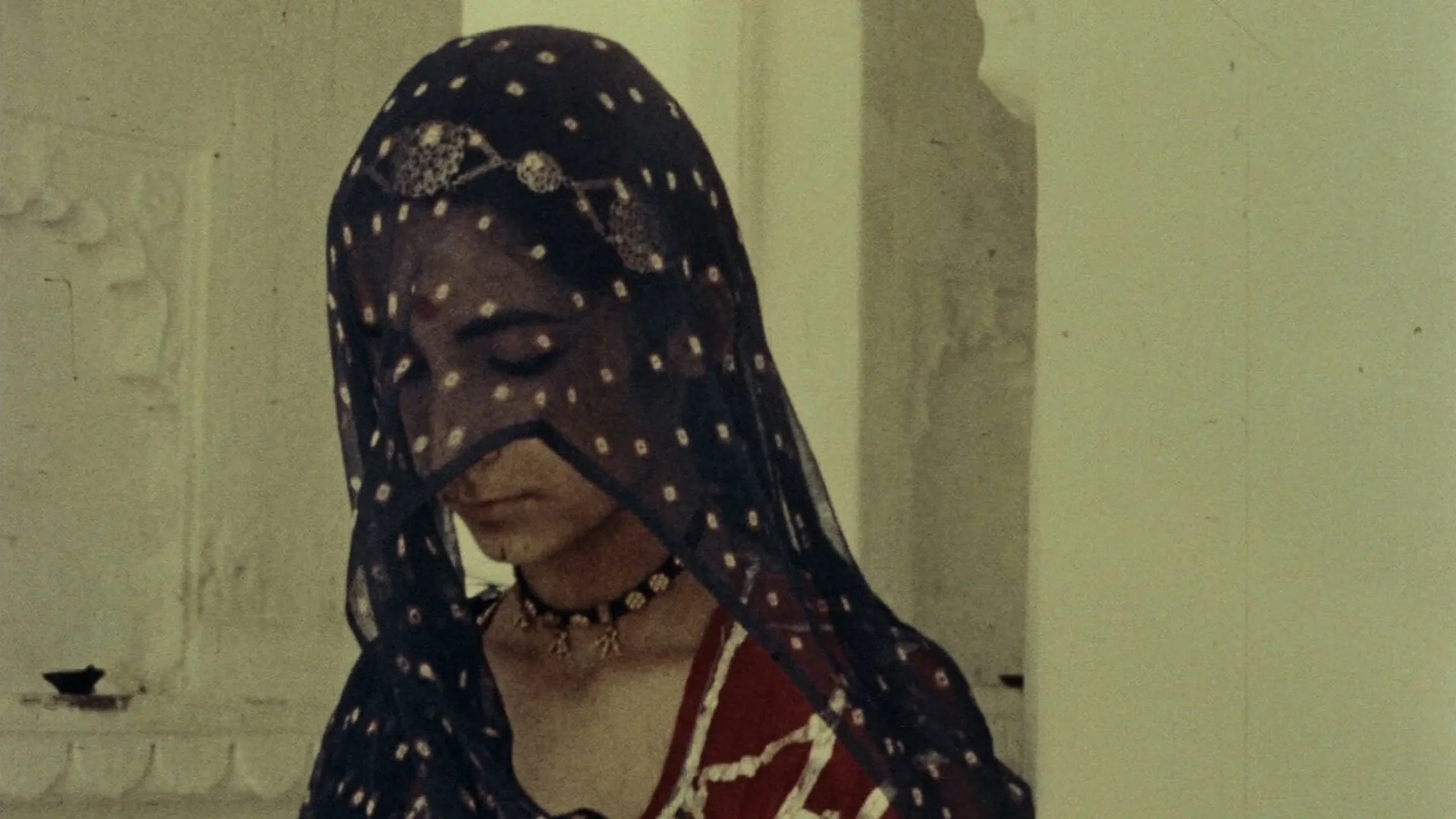
Mani Kaul worked with tiny budgets, mostly non-professional actors, and narrative structures that rejected the popular spectacle and melodramatic modes of Bollywood, while also straying from the clear, linear causality and grounded psychology of West Bengal’s social realism, finding instead his own hermetic approach clearly inspired by the cinema of Bresson, but even more perceptively, or so I’m given to understand, by the slow, unmetered melodic recursions of a Dhrupad’s alap, say, or the color tones and spatial techniques in the Kangra and Basohli tradition of miniature paintings. This beautiful film tells a popular Rajasthani folktale about a ghost who takes up with a woman after assuming the form of her absent husband.
18. Mirror (1975) by Andrei Tarkovsky

Mother as muse. Film as mirror. Along with Terence Davies’s The Long Day Closes (1992), it’s a prime example of that rare genre of poetic memoir.
19. Barry Lyndon (1975) by Stanley Kubrick
Kubrick made a masterpiece in every genre he touched, and I could have chosen his pulp crime film The Killing (1956), his anti-war dramas Paths of Glory (1957) or Full Metal Jacket (1987), his comedic satire Dr. Strangelove (1964), his science fiction epic 2001: A Space Odyssey (1968), his horror film The Shining (1980), or his erotic thriller Eyes Wide Shut (1999), but then I’d have to neglect my personal pick for the greatest film of all time, his period piece Barry Lyndon, which reaches artistic peaks in its dramatic scope, tonal balance, composition, thematic interests, and overall achievement.

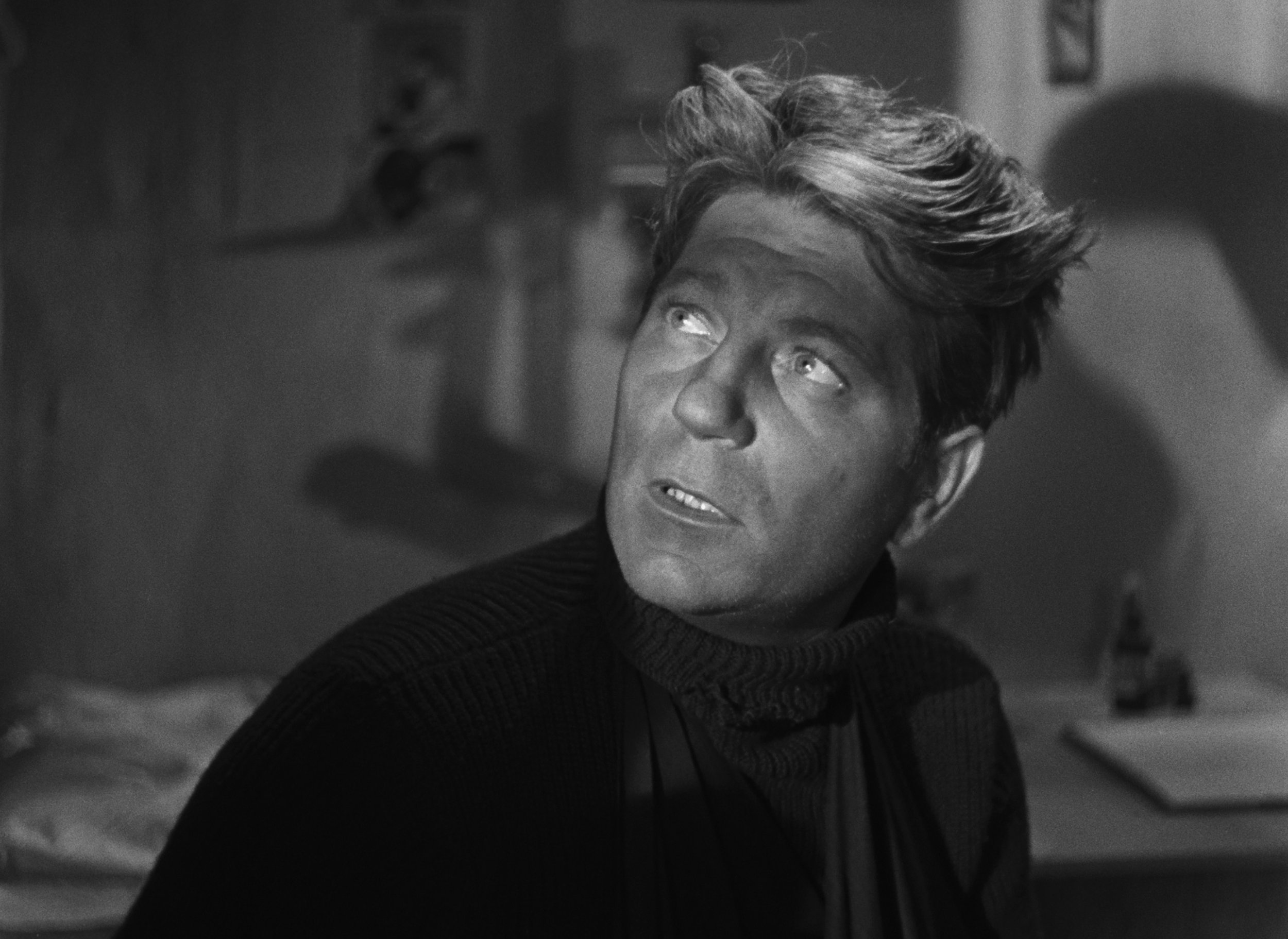
20. Série Noire (1979) by Alain Corneau
I recently discovered this film while browsing letterboxd.com for adaptations of my favorite pulp crime authors, including Charles Willeford, Richard Stark (aka Donald E. Westlake), Elmore Leonard, and George V. Higgins. I’ve always felt the Jim Thompson crime novels (and their adaptations, in turn) offered wholly original characters and exciting setups, but somehow fell short when unspooling the main characters’ machinations, if not their psychological states. Unlike the handful of excellent Philip K. Dick adaptations, no director had realized the potential of Thompson’s work on film. Serie Noire is a clear exception. It’s a perfect meld of tone and style, largely due to the inspired casting, especially Patrick Dewaere’s virtuosic performance as the protagonist, Franck. Other favorite gems of pulp crime include Andre De Toth’s Crime Wave and Samuel Fuller’s Pickup On South Street (both 1953), the Coen brothers’ Fargo (1996), and my favorite Tarantino film, Jackie Brown (1997, beautifully adapted from Elmore Leonard’s Rum Punch).

21. L’Argent (1983) by Robert Bresson
With an extreme distillation of his original style, Bresson stripped the plot of his usual spiritual preoccupations, allowing grace to arise from something inscrutable, as if despite its bleak outlook. He reached several high points of transcendental cinema with this final film and earlier works, including Diary of a Country Priest (1951), A Man Escaped (1956), and Pickpocket (1959).

22. Landscape (for Manon) (1987) by Peter Hutton
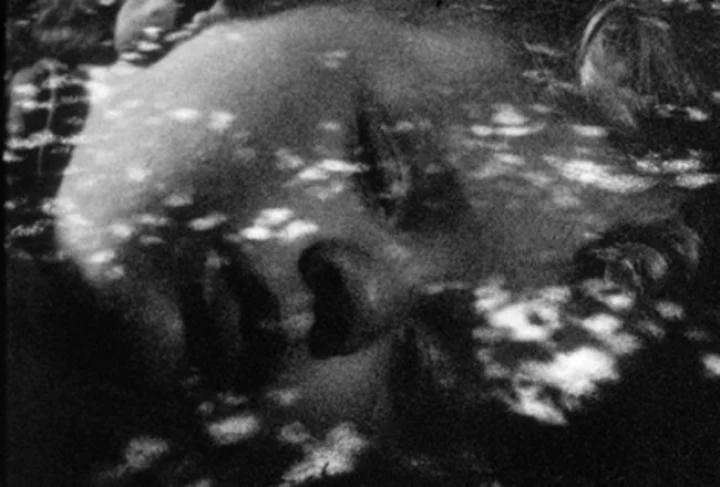
For those of us who like to sit quietly and watch the wind in the trees or the river flow by, Peter Hutton’s wholly silent, high-contrast, fixed-camera films of personal observation offer a profound escape from information overload. This is my favorite experimental film amongst varied greats: Maya Deren’s Meshes of the Afternoon (1943); Stan Brakhage’s Window Water Baby Moving (1959), Mothlight (1963), The Dante Quartet (1987), Black Ice (1994), and Commingled Containers (1996); Hutton’s own Boston Fire (1979), New York Portrait I, II, and III (1979, 1981, 1990) and Study of a River (1997); Bruce Conner’s Easter Morning (2008); and the devotional cinema of Nathanial Dorsky, namely Triste (1996), Variations (1998), Arbor Vitae (2000), Threnody (2004), and Sarabande (2008).
23. Total Recall (1990) by Paul Verhoeven
Total Recall holds up surprisingly well with its mind-blowing sci-fi premise, exciting plot developments, impressive practical world-building and FX, thrilling performances, badass action, and unbeatable Arnie one-liners. Like Jaws (1975), Raiders of the Lost Ark (1981), The Road Warrior (1981), Back to the Future (1985), Aliens (1986), Terminator 2: Judgment Day (1991), Minority Report (2002), and Mad Max: Fury Road (2015), it has everything I could want in a pure popcorn thriller/action flick.

24. A Summer’s Tale (1996) by Éric Rohmer
Of the French New Wave filmmakers, I prefer two older, latecomers to the scene, Rohmer and Pialat, particularly the latter’s We Won’t Grow Old Together (1972) and Under the Sun of Satan (1987). A Summer’s Tale remains my favorite of Rohmer’s among La Collectionneuse (1967), My Night at Maud’s (1969), The Aviator’s Wife (1981), Pauline at the Beach (1983), Full Moon in Paris (1984), The Green Ray (1986), Boyfriends and Girlfriends (1987), and A Tale of Winter (1992).

25. The Thin Red Line (1998) by Terence Malick
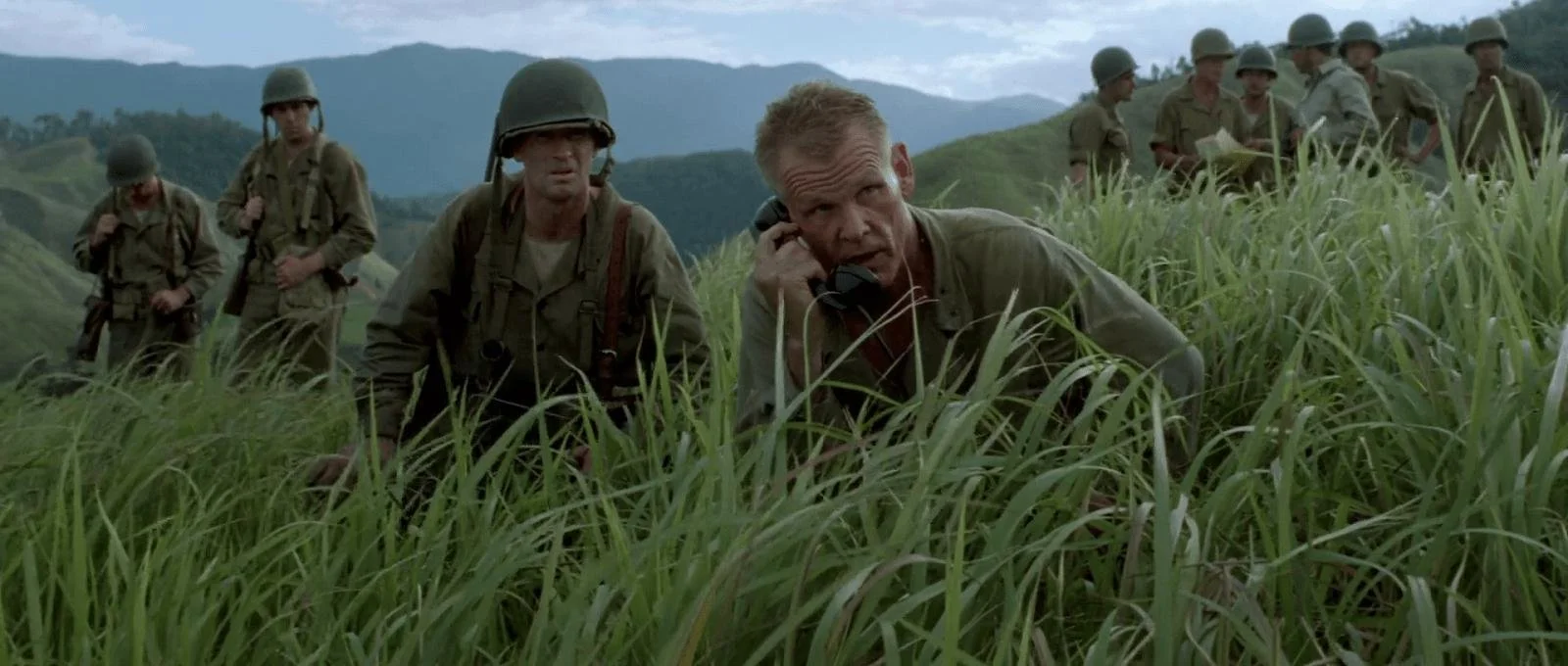
In Badlands (1973), Malick centered the story on fifteen-year-old Holly, whose naive, passive voice and almost teen-romance-magazine diction lend the film its peculiar fairytale quality. In Days of Heaven (1978), Malick gives the narration to a less central character, the pre-teen Linda, whose remove from the action and half-formed understanding of what is happening give the film its unusual folktale quality. Having then established himself as a master of lyricism, he took a twenty-year hiatus from filmmaking. When he finally returned, he took his methodology to a further progression: The Thin Red Line is a multi-lyrical adaptation with no clear protagonist and no single narrator, rather allowing many soldiers' voices—even on both sides of the conflict—to flow together in a kind of stream of consciousness, containing multitudes and giving the film its unique quality of metaphysical inquiry that sets the narrative stage for every film of his to follow.
26. My Neighbors the Yamadas (1999) by Isao Takahata
An underrated Ghibli masterpiece, a sublime series of domestic haikus.

27. The Fog of War (2003) by Errol Morris
A surprisingly candid and profound reflection on the stakes of power.

28. The Wayward Cloud (2005) by Tsai Ming-Liang
My two favorite Taiwanese New Wave films are Yi Yi (2000) and this one, a cinematic meditation on loneliness and longing.

29. No Country For Old Men (2007) by the Coen Brothers
A supreme adaptation of Cormac McCarthy’s made-for-cinema novel.

30. The Souvenir (2019) by Joanna Hogg
My favorite film of the 21st century so far is this reflexive, non-judgmental depiction of an intimate relationship and its ineffable spell, both toxic and alluring, on the filmmaker’s life and art.
